

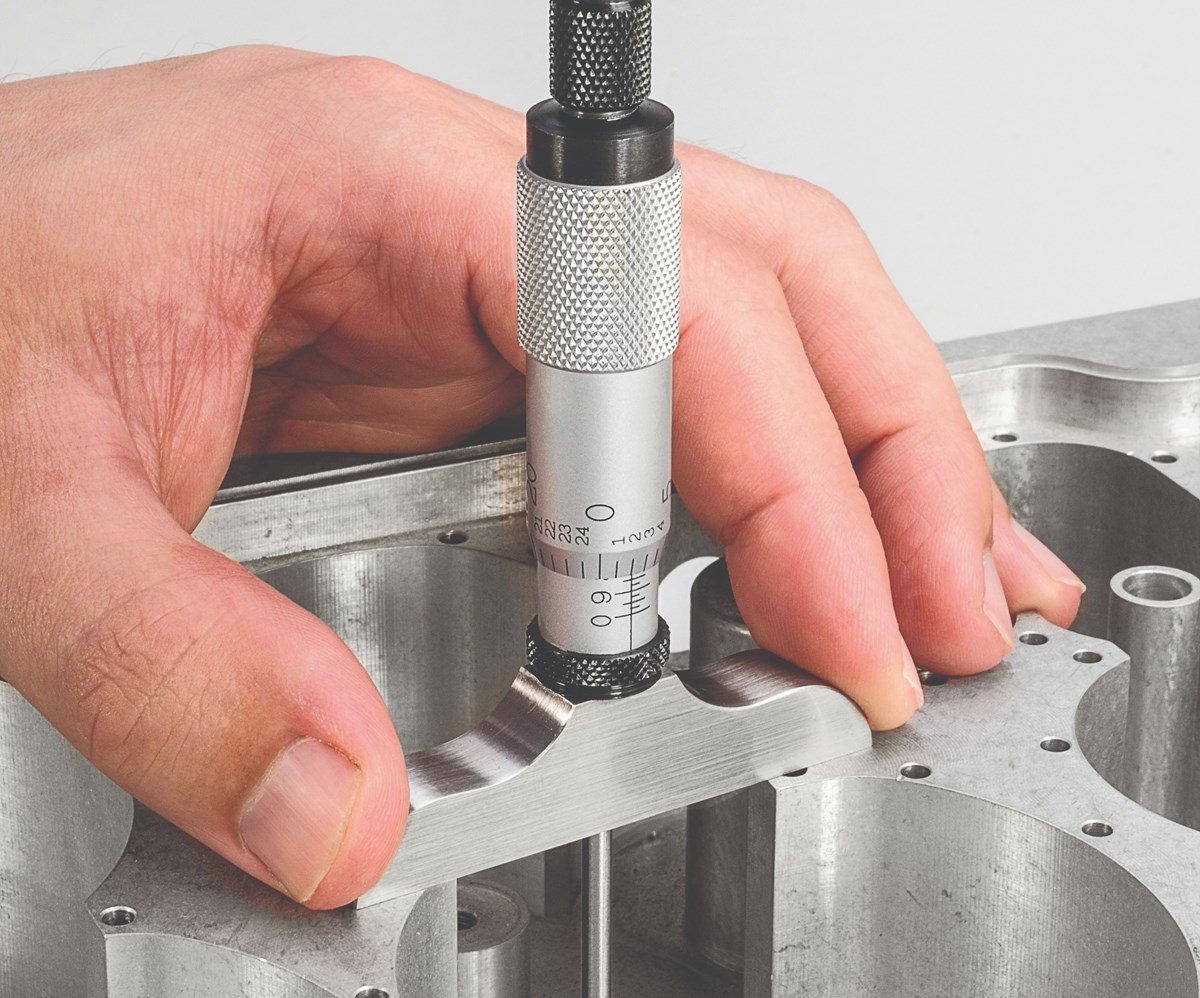
Product quality control (QC) is a cornerstone of manufacturing consulting. By designing efficient QC systems to enforce standards, prevent defects, and prepare for scale produce reliable, market-ready products, Panda safeguards clients' success—turning innovative ideas into dependable realities. For industries like robotics, 3D printers and scanners, electronics, battery packs, solar products, where precision and innovation are paramount, QC mitigates risks, builds customer trust, and supports scalability. PMCC is to design, implement, and refine QC processes that align with the client’s limited resources, rapid development cycles, and ambitious goals.
Key Responsibilities in Quality Control
- Quality System Design
- Develop a tailored QC framework that fits the product and production scale, from prototype testing to full manufacturing.
- Define critical quality parameters (e.g., tolerances, performance metrics) based on product specifications and end-user expectations.
- Integrate QC into the production workflow, balancing thoroughness with efficiency to avoid slowing down lean operations.
- Testing and Inspection Processes
- Create standardized testing protocols (e.g., functional tests, stress tests, environmental testing) to evaluate product performance and durability.
- Set up inspection checkpoints at key stages—raw materials, in-process assembly, and finished goods—to catch defects early.
- Recommend appropriate tools or technologies (e.g., automated vision systems, sensors) for precise, repeatable quality checks, especially for complex high-tech components.
- Compliance and Standards Adherence
- Ensure products meet industry-specific regulations (e.g., FDA for medical devices, FCC for electronics, IPC for circuit boards) and certifications (e.g., ISO 9001).
- Conduct audits or preparing for third-party assessments to validate compliance.
- Advise on traceability systems (e.g., batch tracking, serial numbers) to meet regulatory or customer requirements.
- Defect Prevention and Analysis
- Implement statistical process control (SPC) or similar methods to monitor production variability and prevent defects before they occur.
- Analyze failure data (e.g., using root cause analysis or FMEA—Failure Modes and Effects Analysis) to identify and address recurring issues.
- Recommend design or process adjustments (in collaboration with engineering teams) to eliminate quality risks.
- Training and Documentation
- Train the startup’s staff on QC procedures, ensuring consistent execution even with a small or inexperienced team.
- Develop clear documentation—such as quality manuals, checklists, and SOPs (Standard Operating Procedures)—to maintain standards as the company grows.
- Establish a feedback loop between QC and production teams to drive continuous improvement.